


فهرست مطالب
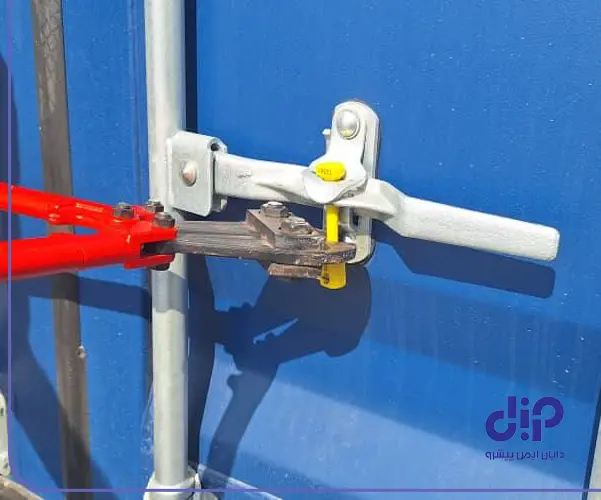
In this article, we aim to answer an important question: how can you properly use a standard security seal for export? We will also explore the key factors that ensure your goods remain safe, secure, and fully traceable all the way to their international destination. From the very beginning, it’s important to emphasize that the correct use of a standard security seal is one of the main requirements in international shipping—especially in export operations. Many customs issues, financial losses, legal disputes, and even shipment returns occur due to the absence of a compliant and reliable security seal.
Dayan Imen Pishro Company, a company specialized in the production and supply of various types of security seals, has extensive experience in the export sector. In this article, we aim to present the most important points in a practical and actionable way, so you can confidently use standard security seals with full awareness. Stay with us as we review the details, choosing the right model, proper application steps, and common mistakes in export sealing. By relying on technical information and customs regulations, we provide a comprehensive and trustworthy overview of this essential topic.
Why Is Using a Standard Security Seal Essential for Export?
The Importance of Using Standard Security Seals in Exports
The importance of using a standard security seal in exports lies in the fact that once the shipment leaves the country, it is no longer under the direct control of the owner. Any tampering, unauthorized movement, or unwanted loading and unloading can cause serious damage. For this reason, international transport organizations, shipping companies, rail and air carriers, as well as customs authorities worldwide, consider the use of standard seals essential for cross-border cargo. When a standard security seal is used, its unique serial number, cut-resistant structure, and tamper-evident features make any alteration to the bill of lading or cargo container easily detectable.
Moreover, in container, trailer, and even packaged cargo transport, having a standard seal such as a container seal, bolt seal, wire-twist seal, or drum seal is a primary requirement for cargo acceptance. Therefore, every export unit must comply with international security seal standards to ensure their shipments reach the final destination with minimal risk.
Understanding Different Types of Standard Security Seals for Exports
Before learning how to use standard security seals in exports, it is essential to understand the different types of seals, as their security level, material, resistance, and applications vary. For example, in exporting raw materials and chemicals transported in drums, a drum seal is the best option due to its high resistance to pressure, impact, and moisture. In contrast, for containers, a metal-bodied container seal with a bolt lock is the standard choice for international shipping. Some shipments require a wire bolt seal, which allows adjustable length and sealing at multiple points.
A wire-twist seal is also commonly used for multilayer packaging and bags in exports. Plastic pull-tight seals are suitable for cartons and lightweight packages. Understanding these differences allows exporters to make the best decisions for enhanced security and smooth customs acceptance.
Container Seal (Customs Seal) and Its Role in Exporting Goods
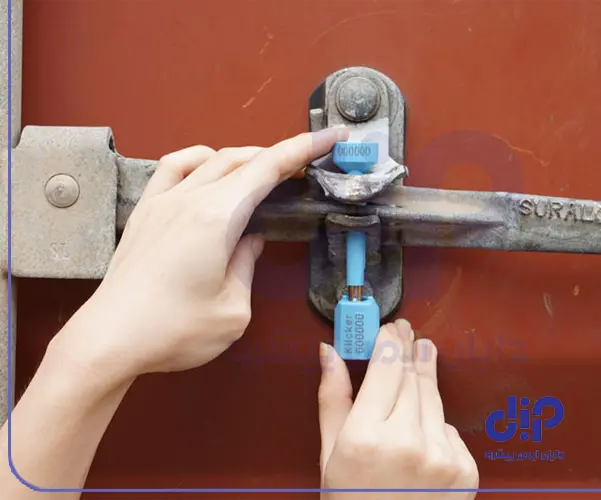
A container seal, also known as a customs or transit seal, is one of the most essential seals in international maritime and land transport because most shipping companies do not accept containers without a standard metal seal. These seals feature a steel body, high cut resistance, and a unique serial number, minimizing the risk of forgery or tampering.
For heavy cargo, especially in 20- or 40-foot containers, using a bolt seal is mandatory, as the seal number is verified against the one registered on the bill of lading during inspection at the destination. Additionally, the compliance of this type of seal with international standards such as ISO 17712 makes it acceptable by customs authorities worldwide. Therefore, in every container export, the first step is selecting the right container seal to prevent transport issues and ensure cargo security.
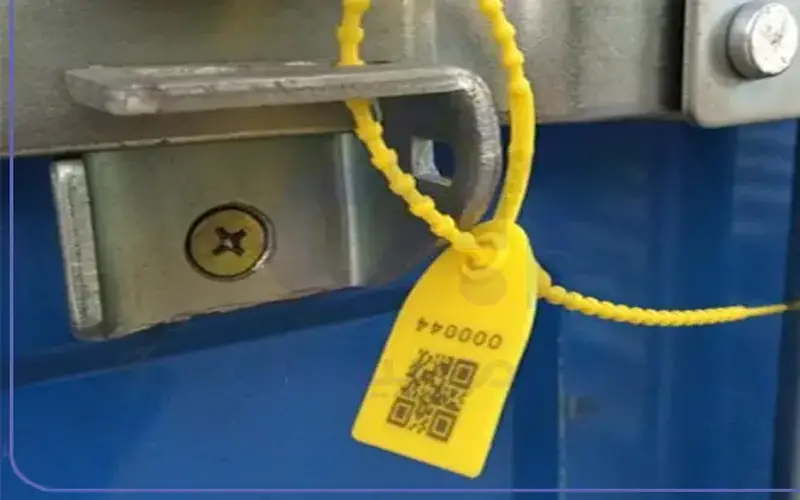
Barrel Lid Seal and Its Use in Exporting Liquid and Chemical Materials
When your export cargo includes chemical raw materials, paints, resins, oils, or liquid food or industrial products, the barrel lid seal is one of the most important safety tools. These seals are designed so that once installed, they cannot be opened without damaging the packaging, and any tampering is immediately visible. Many export companies use these seals to build trust between sellers and buyers, as during transit—especially by sea—there is a risk of leakage or unauthorized discharge. Barrel lid seals are highly resistant to heat, moisture, impact, and vibration, making them ideal for shipping sensitive and valuable goods. Additionally, the size and type of the seal should match the barrel opening to ensure maximum security.
Cable Wire Seals and Security Needs for Multi-Point Export Cargo
Cargo that requires multiple sealing points, such as leather packaging, multi-door trucks, export bags, or mixed packages, usually needs cable wire seals because they can pass through multiple paths and have adjustable lengths. Cable wire is made of steel strands, offering high resistance to tension, cutting, and bending, making it suitable for long-term transportation.
For example, in the export of industrial parts, small machinery, fabric packages, or bulky cartons, this type of seal is highly practical. A key advantage of cable wire seals is that any tampering alters the shape of the wire, making it easily detectable. They can also include serial numbers, labels, or laser engravings for enhanced security. These features have made cable wire seals one of the most popular export options.
Twist Wire Seals and Their Applications for Light to Medium Goods Exports
Twist wire seals are one of the most commonly used models in export packaging due to their easy installation, durable body, and versatility. This type of seal is used for packing bags, sealed consignment documents, light box lids, and small equipment. The twist mechanism ensures that opening the seal without breaking it is impossible, and any tampering is immediately noticeable.
In the export of products such as dried fruits, packaged foods, lightweight industrial parts, or textiles, twist wire seals are a common choice. Their popularity is due to their affordable price, acceptable security level, and ease of installation, which is a significant advantage for export companies.
Comparing Types of Export Security Seals and Choosing the Best Model
| Type of Seal | Security Level | Main Use | Transport Resistance | Export Suitability |
|---|---|---|---|---|
| Container Seal | Very High | Sea and Land Transport | Very High | Excellent |
| Wire Bolt Seal | High | Multi-Point Loads | High | Very Good |
| Twist Wire Seal | Medium | Light Packaging | Medium | Good |
| Drum Lid Seal | Very High | Liquids and Chemicals | High | Excellent |
Customs Requirements for Using Export Security Seals
One of the most important points to consider when answering the question “How to use a standard security seal for export?” is customs requirements.
Customs authorities in different countries have strict regulations for accepting seals to prevent smuggling, tampering, and the entry of illegal goods. The seal’s serial number must be registered in the customs system before crossing the border and must never conflict with the number on the bill of lading. Additionally, the type of seal must comply with international standards so that it can be verified at the destination customs. If the seal lacks ISO certification or valid security markings, the shipment may be returned to customs or require re-inspection, resulting in additional costs and delays.
Common mistakes in export sealing and how to prevent them
Many exporters, even if familiar with security seals, make errors during installation that can lead to shipment rejection or security issues en route. One common mistake is choosing the wrong type of seal—for example, using a plastic seal for a container shipment, which is not accepted by customs. Another error is incorrect installation or placing the seal where unauthorized access to the cargo remains possible. Some companies also fail to register the seal number or include it on the bill of lading, which causes issues at the destination customs. To avoid these mistakes, it is recommended to follow the manufacturer’s instructions, such as those from #Dayan Imen Pishro#, and seek assistance from logistics experts.
Correct Steps for Using Standard Security Seals in Exports
Step 1: Choosing the Right Seal Type Based on Your Cargo
At this stage, you need to determine what type of packaging your export cargo has and the level of security required. For example, drum seals are ideal for liquids, cable seals are suitable for multi-point shipments, and container seals are the best choice for maritime transport.
Step 2: Checking the Serial Number and Recording Seal Information
Each seal must have a unique serial number, which should be recorded in the shipping documents before the cargo is dispatched. This step is essential to prevent any disputes at the destination.
Step 3: Installing the Seal According to Standards and Inspecting Vulnerable Points
For proper use, the seal must be installed in a location that prevents unauthorized access to the cargo. After installation, the container should be fully secured and tamper-evident.
Lorem ipsum dolor sit amet, consectetur adipiscing elit. Ut elit tellus, luctus nec ullamcorper mattis, pulvinar dapibus leo.
Advantages and Disadvantages of Using Security Seals in Exporting
| Pros | Cons |
|---|---|
| Enhances cargo security | Requires choosing the right model |
| Fast customs acceptance | Higher cost for some models |
| Prevents tampering | Needs precise seal number recording |
| Compliance with transport standards | Potential damage if installed incorrectly |
How to Choose the Right Security Seal for Export?
Choosing the Right Security Seal
When selecting a suitable security seal, you should consider several key factors: the nature of the goods, the shipping route, transit duration, type of packaging, and the sensitivity of the cargo. For high-value items or long-distance shipments, metal seals are the best option. Additionally, if your cargo has multiple locking points, a wire bolt seal provides a higher level of security. Another important factor is adherence to international standards such as ISO 17712, which enjoys global acceptance. Finally, exporters should use seals that can indicate tampering, so that responsibility is clear in case of any issues.
Additional Tips to Enhance Security in Export Sealing
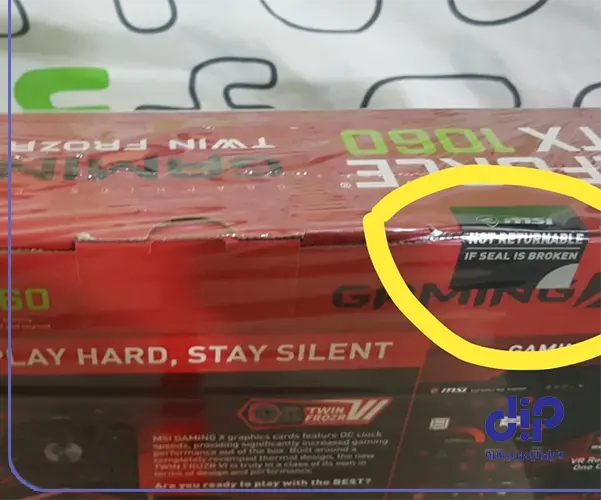
Alongside using a security seal, following a few extra measures can further increase cargo safety. For example, taking a photo of the seal after installation is an effective way to prevent disputes at the destination. It is also recommended to inspect container entry points or cargo compartments before loading to ensure all gaps and openings are sealed. For barrel shipments, using protective covers in addition to the seal provides extra safety. In packaged goods, checking multiple seal points simultaneously helps prevent unauthorized access.
Last Words
How to Use Standard Security Seals for Export Safely
In this article, we reviewed how to use standard security seals for exports and what factors ensure that your shipment reaches its destination safely, untampered, and without discrepancies. Dayan Imen Pishro, as a leading supplier of various types of security seals, has extensive practical experience in this field. If you plan to export, being aware of the seal type, installation method, customs standards, and selecting the correct seal model can help prevent potential losses. Using a security seal is not just a formality—it is a crucial part of securing your export cargo and preventing serious financial and legal problems.
If you want to make sure that your chosen seal complies with customs standards and export requirements, take advantage of Dayan Imen Pishro’s free consultation.
